Specialist rheumatology consultation
A detailed discussion, clinical examination and analysis of laboratory and radiology findings in order to reach an accurate diagnosis.
Miren Polyclinic
Rheumatology deals with the diagnosis and treatment of diseases of the joints, connective tissue and the musculoskeletal system. The conditions most commonly managed include rheumatoid arthritis, osteoarthritis, gout, lupus, spondyloarthritis and other systemic connective tissue diseases.
Particular emphasis is placed on detecting disease early and starting therapy in good time, so that patients keep their mobility and quality of life. Consultations are carried out by Dr Marko Vorkapić, specialist in internal medicine and subspecialist in rheumatology, and no referral is needed.

Prices
| Service | Price |
|---|---|
| Rheumatologist consultation (Dr Marko Vorkapić) | 6.000 RSD |
| Consultation + joint and tendon ultrasound | 10.000 RSD |
See the current price list here.
Preserving mobility and quality of life
A detailed discussion, clinical examination and analysis of laboratory and radiology findings in order to reach an accurate diagnosis.
Rheumatoid arthritis, ankylosing spondylitis and psoriatic arthritis: controlling inflammation and preserving joint function.
Relieving pain and slowing degeneration in osteoarthritis of the knees, hips, shoulders and hands.
Lupus, scleroderma and Sjogren's syndrome: a multidisciplinary approach with long-term follow-up.
Regulating uric acid levels, together with diet and therapy to prevent attacks of pain and swelling.
Referral for targeted exercises and treatments to preserve mobility and relieve pain.

Specialist in internal medicine
Subspecialist in rheumatology
A rheumatologist deals with diseases of the joints, spine, muscles and connective tissue, including conditions in which the immune system attacks the body's own tissues. Rheumatic diseases are not limited to older age: inflammatory diseases of the joints and spine often begin in young and middle adulthood. A consultation is worthwhile if you have:
Long-lasting joint pain should not be put down only to age or strain. With inflammatory rheumatic diseases it is important for the diagnosis to be made early, so that treatment can start in good time.
The consultation is carried out by Dr Marko Vorkapić, specialist in internal medicine and subspecialist in rheumatology. It begins with a conversation about which joints hurt and since when, whether there is morning stiffness, how the symptoms change during the day and whether anyone in your family has a rheumatic or autoimmune disease. A clinical examination of the joints, spine and soft tissues follows, including an assessment of mobility.
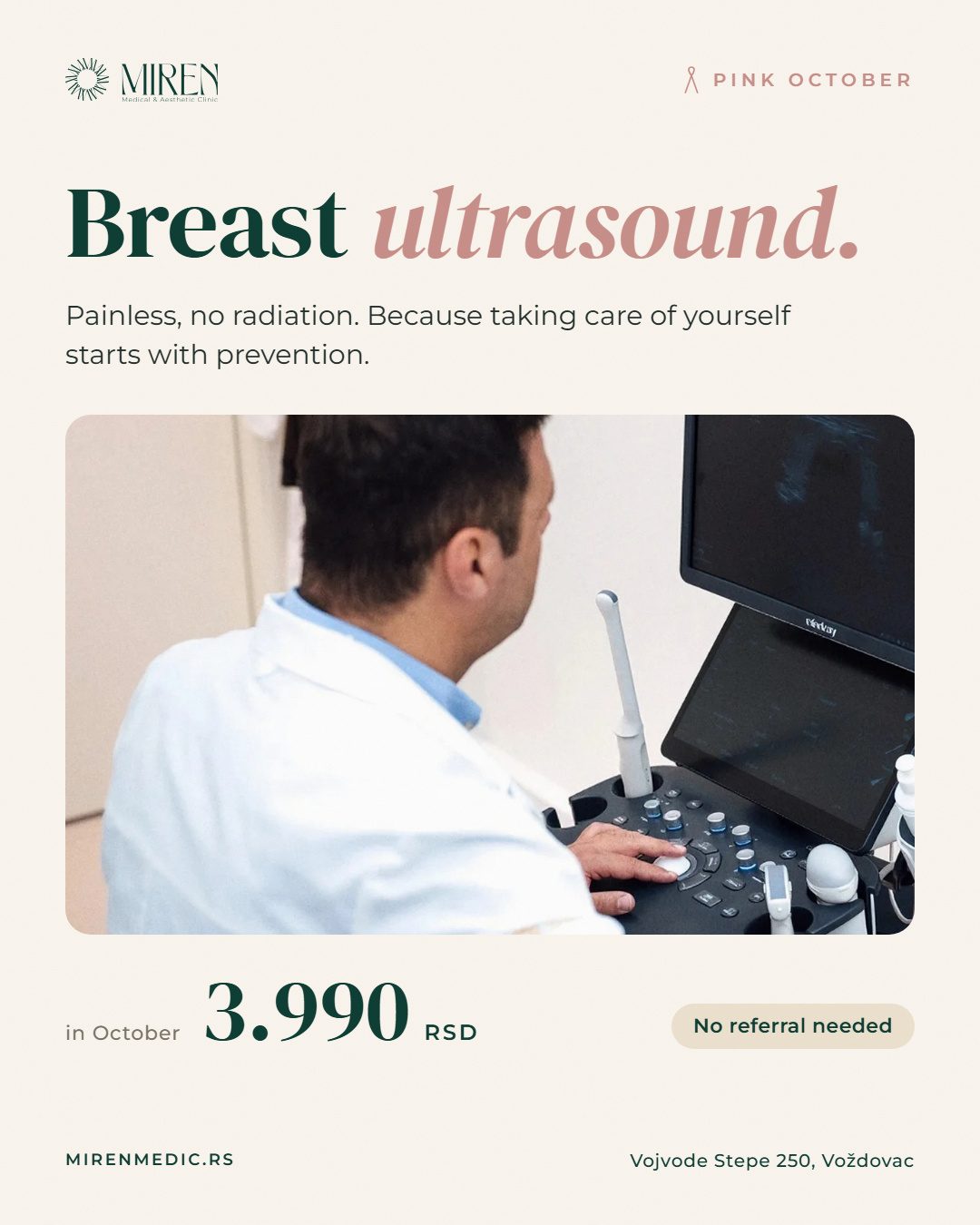
Where needed, an ultrasound of the joints and tendons is done in the same appointment. Ultrasound shows whether there is fluid in a joint, thickening of the joint lining or changes in the tendons, which helps to assess the symptoms more precisely. The rheumatologist also reviews your laboratory and imaging results and recommends additional tests if needed.
Based on the findings, the rheumatologist makes a diagnosis or a plan for further investigation and proposes treatment. The plan may include medication, advice on diet and physical activity, and referral for targeted exercises and physical therapy.
Bring all your previous results: blood count, CRP and sedimentation rate, uric acid, immunology tests if you have had them, X-rays and MRI reports, as well as reports from doctors who have treated you before. Write down a list of the medication you take, including painkillers and supplements.
Wear clothes that are easy to take off or roll up, because the rheumatologist examines the joints and spine. It helps to note when the symptoms began, which joints have been affected and what eases or worsens them. If swelling comes in episodes, a photo of the swollen joint can help, as the swelling has often gone down by the time of the consultation.
Chronic rheumatic diseases are generally followed long term. At check-ups the rheumatologist assesses disease activity, reviews your results and how you tolerate the medication, and adjusts the therapy where needed. Some medicines require regular laboratory monitoring, so always bring your latest results to the consultation. Alongside therapy, regular physical activity suited to the condition of your joints and maintaining a healthy body weight help to control many rheumatic diseases.
A rheumatology consultation is booked in advance and is not a substitute for emergency care. Go to the emergency department straight away or call an ambulance (194) if you have:
If you already have a rheumatic disease and take therapy that lowers immunity, do not put off a high temperature or signs of infection: contact a doctor the same day.
You should see a rheumatologist for joint pain and swelling, morning stiffness lasting longer than half an hour, lower back pain that is worse at night and in the morning, attacks of severe pain in a single joint, or when your results show raised CRP, sedimentation rate or uric acid together with joint complaints.
No referral is needed for a rheumatology consultation at Miren Medic. You book your appointment directly, online or by phone.
A rheumatology consultation at Miren Medic Polyclinic is 6.000 RSD, and a consultation with an ultrasound of a joint or tendon in the same appointment is 10.000 RSD. All prices are listed in the price list.
Bring your earlier laboratory results, X-rays and MRI reports, reports from other doctors and a list of the medication you take. Wear clothes that are easy to take off, and if joint swelling comes in episodes, bring a photo of the swollen joint.
A rheumatologist treats inflammatory, metabolic and systemic diseases of the joints and connective tissue, mostly with medication, and follows them long term. An orthopedist deals with injuries and with mechanical and degenerative problems of the bones and joints, including surgical treatment when needed. Both a rheumatologist and an orthopedist work at Miren Medic Polyclinic, so the opinions of both specialists can be coordinated where needed.
Not necessarily. CRP and the sedimentation rate also rise with infections and other inflammation, and raised uric acid without symptoms does not mean gout. The rheumatologist interprets these results together with your symptoms and the examination, and on that basis assesses whether further tests are needed.